

The Illusion of Decentralization in the Crypto Market: CEX vs DEX Comparison
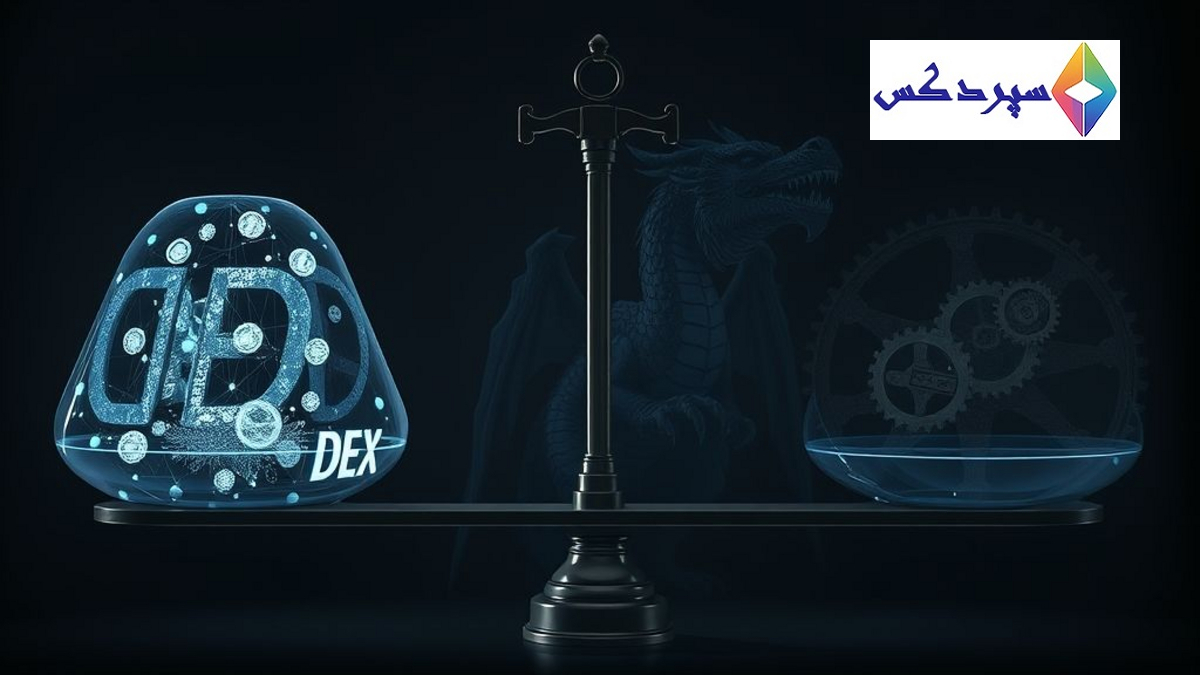
The Illusion of Decentralization in the Crypto Market: Centralized vs. Decentralized Exchanges
In the bustling world of digital currencies, the concept of decentralization stands as a cornerstone and one of the most appealing features for many market participants. But does this decentralization, as it appears, truly hold true across all facets of the crypto market? The reality is that in many cases, what we call decentralization is, at best, an illusion of decentralization, particularly when we compare the operations of Centralized Exchanges (CEX) with Decentralized Exchanges (DEX).
Consider a single moment: one token, one instant, yet two entirely different realities. These differences can alter the fate of your investment, and understanding them is crucial for every investor and trader in the digital asset trading space.
Key Differences: Centralized Exchanges (CEX) vs. Decentralized Exchanges (DEX)
To better grasp the illusion of decentralization, we must first delve into the fundamental distinctions between the two main types of cryptocurrency exchanges in the digital currency market:
-
Decentralized Exchanges (DEX): These exchanges operate on the blockchain, allowing users to trade directly from their wallets with one another. No central controlling entity exists, and all transactions are recorded and visible on the blockchain. This feature ensures complete market transparency, truly representing a transparent market and embodying true crypto decentralization.
-
Centralized Exchanges (CEX): A central entity (a company) manages these exchanges. Users deposit their funds into the exchange, and trades occur on the exchange’s internal order book. While this model offers greater speed and convenience, it also carries risks, including a lack of transparency and centralized control, which can perpetuate the illusion of decentralization.
A Tale of Two Realities: ATOM on Osmosis and Binance
To illustrate this point, let’s examine a real-world example of how these two types of exchanges perform differently. Imagine we are observing the ATOM token on two distinct centralized platforms vs. decentralized platforms at a specific moment:
-
ATOM/USD on Osmosis (a DEX): On this market, all trades are visible on the blockchain. Real buyers and real sellers interact, and the price flow develops healthily and naturally. Here, we experience a transparent market whose movements directly result from human actions – a clear example of blockchain decentralization.
-
ATOM/USDT on Binance (a CEX): On this centralized exchange, the market operates artificially and under the exchange’s control. We might witness events that seem impossible in transparent markets. For instance, the price of ATOM suddenly plummets to 0.001 USDT. This incident raises serious questions about the nature and transparency of trades on such a platform, highlighting the illusion of decentralization in crypto.
Unanswered Questions in Centralized Exchanges
When the price of a digital asset on a centralized exchange drops unusually, many questions arise:
- Who purchased at that low price?
- Was it an ordinary trader, a market maker, or the exchange itself?
If the exchange itself participated in these trades, we, as users and market participants, deserve accountability. If a specific “partner” played a role in this event, their identity should be disclosed. And if this behavior is considered “normal system behavior,” then the system is designed to extract user funds for its own benefit. To check related news headlines and stay informed about the latest developments, consult reliable sources.
Transparency vs. Hidden Design
On-chain markets move with human and natural actions, while off-chain markets are shaped by the internal design and decisions of exchanges. Behind this hidden design often lies a “dragon behind the curtain” pursuing its own specific interests. This is where decentralization is challenged, and the illusion of decentralization reveals itself, impacting overall crypto market transparency.
Understanding these differences is essential for making informed decisions in the crypto market. Choosing the right platform for cryptocurrency trading directly impacts the security and returns of your investment. Always look for platforms that offer maximum market transparency and adhere to the true principles of decentralization. For more information and to learn and analyze market reports, you can visit the educational sections. Also, follow our website for the latest crypto news and analyses. This article is part of a series of deeper discussions on cryptocurrency issues, which we will explore further in upcoming parts. Source
Frequently Asked Questions (FAQ)
What does the illusion of decentralization in the crypto market mean?
The illusion of decentralization refers to a situation where, despite decentralization being a core principle of digital assets, it is not fully observed in many aspects of the market, especially in the operation of Centralized Exchanges (CEX), where central control still exists.
What are the key differences between Centralized (CEX) and Decentralized (DEX) Exchanges?
Decentralized Exchanges (DEX) operate on the blockchain, allowing users to trade directly from their wallets with each other, without a central controlling entity. In contrast, Centralized Exchanges (CEX) are run by a central entity (a company), where users deposit funds, and trades occur on the exchange’s internal order book.
Why does the article criticize transparency in Centralized Exchanges (CEX)?
The article criticizes CEXs because they lack full transparency, and their markets can operate artificially and under the exchange’s control. This lack of transparency leads to events like unusual price drops, raising serious questions about the nature and potential manipulation of trades.
How does the example of ATOM’s price drop on Binance demonstrate the “illusion of decentralization”?
In the ATOM example, the sudden price drop to 0.001 USDT on Binance (a CEX), which doesn’t happen on Osmosis (a DEX), indicates potential manipulation or hidden control within CEXs. This event raises questions about who bought at that low price and the true nature of the centralized market, challenging the real transparency of decentralization.
Comments