

The End of Bitcoin: Why This Cryptocurrency’s Future Is at Risk
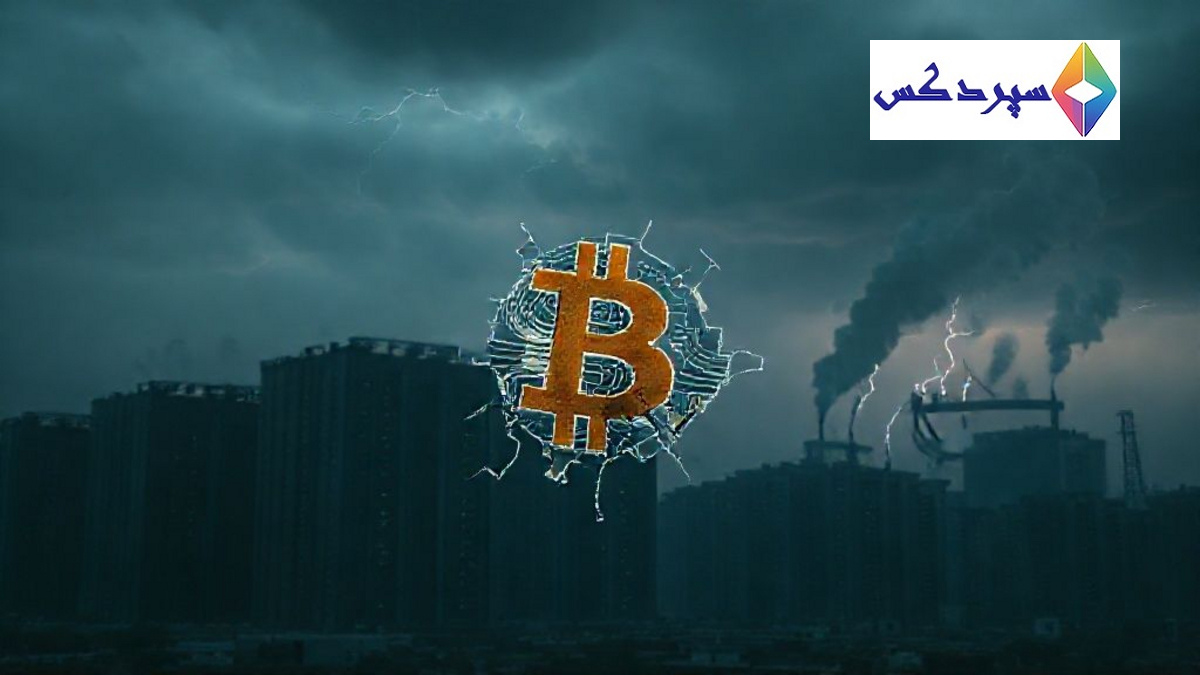
The End of Bitcoin: Why This Cryptocurrency’s Future Is at Risk
From my perspective, Bitcoin is heading towards an ultimate collapse because its foundational principles do not support long-term survival. While Bitcoin was revolutionary in 2009, today it faces serious challenges that could lead to a Bitcoin crash. Let’s explore the main reasons behind this belief.
Outdated and Inefficient Technology
Bitcoin’s technology, though once pioneering, now appears obsolete and inefficient. This network is slow, costly, and unproductive, demonstrating Bitcoin’s weakness in competing with newer technologies:
- Slow Transaction Speeds: The Bitcoin network can only process a limited number of transactions per second, which is negligible compared to modern payment systems and newer blockchains. This scalability limitation is a major barrier to its widespread adoption.
- High Costs: Transaction fees on the Bitcoin network, especially during peak congestion, can be very high, making its use impractical for small, everyday transactions.
- Limited Scalability: Scalability is one of the biggest Bitcoin problems. This network was not designed to accommodate a massive number of users and transactions, which casts a shadow over the future of Bitcoin.
Other networks offer faster transactions, lower fees, smart contracts, and more real-world applications, while Bitcoin largely remains a speculative asset with limited practical use in the real world.
Reliance on Hype and Speculation Over Intrinsic Value
Bitcoin relies heavily on marketing, hype, and investor belief rather than intrinsic value. Its extreme price fluctuations occur based on market sentiment:
- Extreme Price Volatility: The Bitcoin decline and sudden surges often stem from news, tweets, and collective sentiment, not changes in its fundamental value or utility. These fluctuations make it a high-risk investment tool.
- Dependence on New Capital: Without a continuous flow of new money from investors, the entire system struggles to survive. This characteristic makes it more akin to a Bitcoin bubble than a stable and reliable currency.
This reliance on speculation makes the demise of Bitcoin more probable in the long term, as every bubble eventually bursts.
Pressure from Governments and Regulatory Bodies
Governments and regulatory bodies worldwide are increasingly adopting a more aggressive approach towards unregulated digital currencies:
- Central Bank Digital Currencies (CBDCs): Countries are developing their own central bank digital currencies, which could serve as government-controlled alternatives to decentralized cryptocurrencies like Bitcoin.
- Strict Regulations: Governments are enacting stricter laws to combat money laundering, tax evasion, and terrorist financing through cryptocurrencies. These measures further diminish Bitcoin’s role.
It is difficult to imagine major economies allowing a borderless and uncontrolled currency to dominate their financial systems. These pressures accelerate the Bitcoin’s decline in the global arena.
Extremely High Energy Consumption
Bitcoin Mining is extremely energy-intensive. This is one of the biggest Bitcoin problems from an environmental perspective:
- Massive Electricity Consumption: The “Proof-of-Work” (PoW) process, on which Bitcoin is built, requires an enormous amount of electricity, equivalent to the consumption of a small country.
- Environmental Regulations: With tightening climate regulations and increasing environmental awareness, pressure on Proof-of-Work systems like Bitcoin is growing.
Newer blockchain technologies like “Proof-of-Stake” (PoS) are significantly greener and more scalable. These environmental concerns challenge the future of Bitcoin and could contribute to the end of Bitcoin.
Given all these reasons – outdated technology, speculative nature, regulatory pressures, and high energy consumption – I believe that Bitcoin will gradually lose its significance and eventually fade away. For checking related news headlines about cryptocurrencies, you can refer to reputable sources. Also, for education and analysis of detailed reports, specialized websites can be helpful. For more information and the news source, you can visit our website.
Frequently Asked Questions (FAQ)
Why does the author believe Bitcoin is heading towards ultimate collapse?
The author believes Bitcoin is at risk of ultimate collapse because its fundamental principles do not support long-term survival. The main reasons for this view include outdated and inefficient technology, heavy reliance on hype and speculation instead of intrinsic value, increasing pressure from governments and regulatory bodies, and extremely high energy consumption for mining.
What are the main problems related to Bitcoin’s technology mentioned in the article?
The article points to three main problems with Bitcoin’s technology: slow transaction speeds, high costs, and limited scalability. The Bitcoin network can only process a small number of transactions per second, which is negligible compared to modern payment systems and newer blockchains. Transaction fees can also be high, and scalability issues are a major barrier to its widespread adoption.
How does Bitcoin’s reliance on hype and speculation endanger its future?
Bitcoin’s reliance on hype and speculation endangers its future because its extreme price fluctuations often stem from news, tweets, and collective market sentiment, rather than changes in fundamental value or real-world utility. This dependence on a continuous flow of new money from investors makes it resemble a bubble, prone to bursting in the long term.
How can government and regulatory pressures contribute to Bitcoin’s decline?
Government and regulatory pressures can contribute to Bitcoin’s decline as countries develop Central Bank Digital Currencies (CBDCs), which will be government-controlled alternatives to decentralized currencies. Additionally, governments are enacting stricter laws to combat money laundering, tax evasion, and terrorist financing through cryptocurrencies, which diminishes Bitcoin’s role in the global arena.
Comments