

Bitcoin Market Cycle: Investing Psychology in Historic Bubbles
Bitcoin Market Cycle: Investing Psychology in Historic Bubbles
n
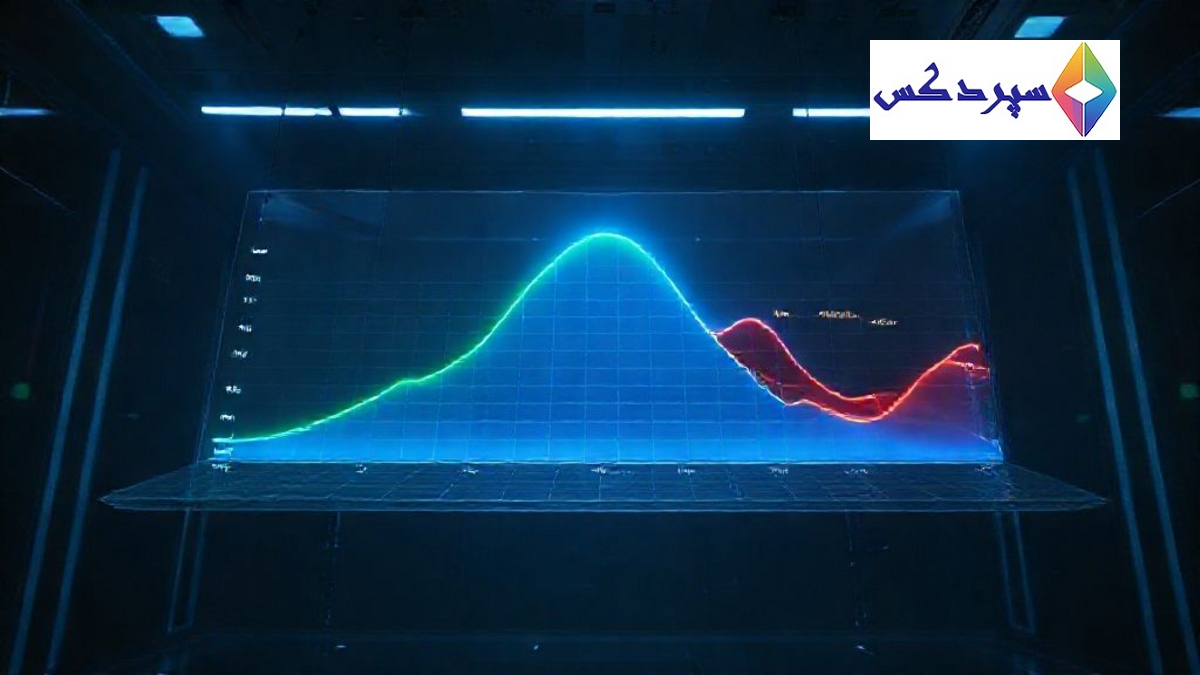
My analytical chart of the Bitcoin cycle isn’t just about crypto news; it’s the recurring pattern of human psychology that has driven every historic bubble — from tulip mania in 1637 to the dot-com crash in 2000.
n
The most deceptive notion that traps investors is believing four expensive words in financial history: This time is different.
n
Look closely at the bottom of the chart: since 2013 the market has followed these four predictable phases in sequence, creating a rhythm that appears almost cyclical (as shown by the recurring color arcs):
n
- n
- Accumulation (green arc): the quiet bottom when everyone is pessimistic and smart money is buying.
- Markup (blue arc): sustainable growth driven by optimism, often following the halving.
- Distribution (red/peak): an irrational peak shaped by the fear of missing out, where investors tell themselves this time is different.
- Bear market (contraction): an inevitable correction driven by fear.
n
n
n
n
n
The lesson: assets change, but human reaction never does. The only way to win this game is to recognize the cycle and act against the crowd’s emotion. Do not chase price; trade the psychology.
nn
Practical tips for trading with the cycle
n
- n
- Before entering a trade, study the psychology behind the moves, not just the price.
- Buy at the cycle’s bottom and exit near the top to avoid steep declines.
- With an understanding of the cycle, make strategic decisions and resist the crowd’s emotions.
n
n
n
nn
Sources and related links
n
For related headlines and further analyses you can refer to the sources below:
n
nCheck related headlines ·nTraining and analysis reports ·nSource of newsn
nn
nn
FAQ
nn
What stages make up the Bitcoin market cycle, and what are their features?
n
The cycle includes accumulation, markup, distribution, and bear market. Accumulation features a quiet bottom with smart money entering, markup is steady and often occurs after the halving, distribution is where prices spike and investors claim this time is different, and finally the bear market continues with price declines.
nn
How does investing psychology influence Bitcoin bubbles and how does the phrase “this time is different” contribute to cycle repetition?
n
Historical patterns show that human behavior and collective emotions steer decisions in every cycle. Believing that “this time is different” often lures investors to buy at the peak and sell at the trough, repeating the cycle’s emotional loops.
nn
What practical actions can be taken to trade the market cycle and avoid emotional decisions?
n
Before entering a trade, study the psychology behind moves; buy at the bottom of the cycle and exit near the top to prevent sharp declines; with cycle understanding, make strategic, rational decisions instead of following the crowd.
nn
What role does halving play in Bitcoin’s upward cycle and how should investors view this factor?
n
Halving historically coincides with the start of a rally or after it, as reduced supply lifts demand. However, this factor isn’t a guarantor, and investors should avoid relying solely on halving and price increases; treat the cycle as a framework.
nn
What practical advice supports long-term success in Bitcoin investment regarding price and psychology?
n
The main advice is: do not chase price; trade the psychology. By understanding the cycle and not responding to crowd emotions, you make better decisions and avoid market excesses.
n
Comments